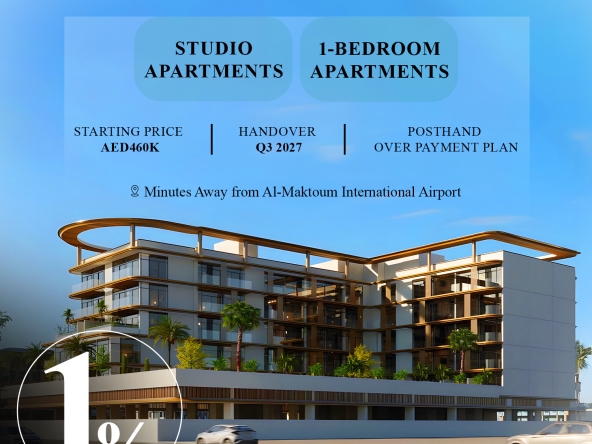

Dubai has rapidly become a global hub for business, tourism, and luxury living, drawing significant interest from international investors. The city’s thriving economy, tax benefits, and high rental yields make it an attractive destination for property investment. But the question remains: can a foreigner buy property in Dubai? Let’s explore the regulations, types of ownership, and the process for foreign investors.
Key Takeaways
Foreigners can legally buy property in Dubai, with specific rules for freehold and leasehold areas. The property buying process is straightforward, involving a Memorandum of Understanding (MOU), a deposit, and final registration with the Dubai Land Department (DLD).
Understanding Property Ownership for Foreigners in Dubai
Freehold vs. Leasehold Areas
Dubai permits foreigners to buy property in specific zones:
- Freehold Areas: These allow full ownership of the property, including the land it stands on. Popular freehold areas include Dubai Marina, Downtown Dubai, and Palm Jumeirah.
- Leasehold Areas: Here, ownership is restricted to a lease of up to 99 years, and the land remains under the control of the landlord.
Types of Properties Available
Foreign buyers can purchase:
- Residential apartments or villas
- Commercial properties
- Off-plan properties directly from developers
Legal Framework for Foreign Ownership
UAE Property Laws
The Dubai Government introduced Law No. 7 of 2006, which regulates property ownership by non-UAE nationals. According to this law:
- Foreign nationals can buy property in freehold areas.
- Leasehold agreements are also permissible in designated zones.
Visa Benefits for Property Owners
Investing in property worth AED 750,000 or more may qualify a foreigner for a renewable residency visa. Properties valued at AED 2 million or more may make the owner eligible for a 10-year Golden Visa.
Steps to Buying Property in Dubai
1. Choose the Property
Begin by identifying the type and location of property. Engage a licensed real estate agent to assist in the process.
2. Sign the Memorandum of Understanding (MOU)
An MOU outlines the terms and conditions agreed upon by both the buyer and seller. Typically, a 10% deposit is required.
3. Secure Financing (if needed)
Foreign buyers can apply for mortgages from UAE banks, but:
- A minimum 20% down payment is required.
- Loan eligibility depends on the buyer’s income and property value.
4. Obtain a No Objection Certificate (NOC)
The seller must acquire an NOC from the developer, confirming no outstanding fees or issues with the property.
5. Transfer Ownership
The buyer and seller meet at the Dubai Land Department (DLD) to transfer ownership. Necessary documents include:
- Signed MOU
- Passport copies
- Payment confirmation
The new title deed is issued in the buyer’s name upon completing the transaction.
Benefits of Buying Property in Dubai
1. Tax-Free Investment
Dubai imposes no property taxes, making it a cost-effective option for real estate investors.
2. High Rental Yields
Investors enjoy rental yields averaging 5-8%, higher than many global cities.
3. Strategic Location
Dubai’s connectivity to major global markets enhances its appeal for international investors.
4. Residency Visa
Property ownership enables foreign buyers to obtain a residency visa, facilitating easier travel and business operations.
Challenges and Risks
Currency Exchange Rates
Fluctuations in exchange rates can impact the overall cost of investment.
Maintenance Costs
Buyers should account for annual maintenance fees and service charges.
Regulatory Changes
It is essential to stay informed about property laws and regulations to avoid unforeseen issues.
Popular Areas for Foreign Property Investment
1. Dubai Marina
Known for its waterfront properties and vibrant lifestyle.
2. Downtown Dubai
Home to iconic landmarks like the Burj Khalifa and Dubai Mall.
3. Palm Jumeirah
Offers luxury villas and apartments with breathtaking sea views.
4. Jumeirah Village Circle (JVC)
An affordable yet upscale option for families and investors.
FAQs
1. Can foreigners buy property in Dubai without a residency visa?
Yes, a residency visa is not required to purchase property, but owning property can make you eligible for one.
2. Are there restrictions on property types for foreigners?
Foreigners can only purchase properties in designated freehold or leasehold areas.
3. Is property ownership in Dubai permanent for foreigners?
Ownership is permanent for freehold properties, while leasehold properties have fixed terms of up to 99 years.
4. What fees should a buyer expect?
Buyers must pay a 4% registration fee to the DLD and additional charges for agency and NOC services.
5. Can foreigners get a mortgage in Dubai?
Yes, many UAE banks offer mortgages to foreign investors, subject to eligibility criteria.
Conclusion
Foreigners can buy property in Dubai, thanks to the city’s open property market and clear legal framework.
With attractive benefits like tax-free investments, high rental yields, and visa opportunities, Dubai offers immense potential for property investors.
However, it is essential to work with reliable agents, conduct due diligence, and understand all associated costs before purchasing.
In one of the world’s most dynamic cities, investing in Dubai’s real estate market could be your gateway to high returns and a luxurious lifestyle.